
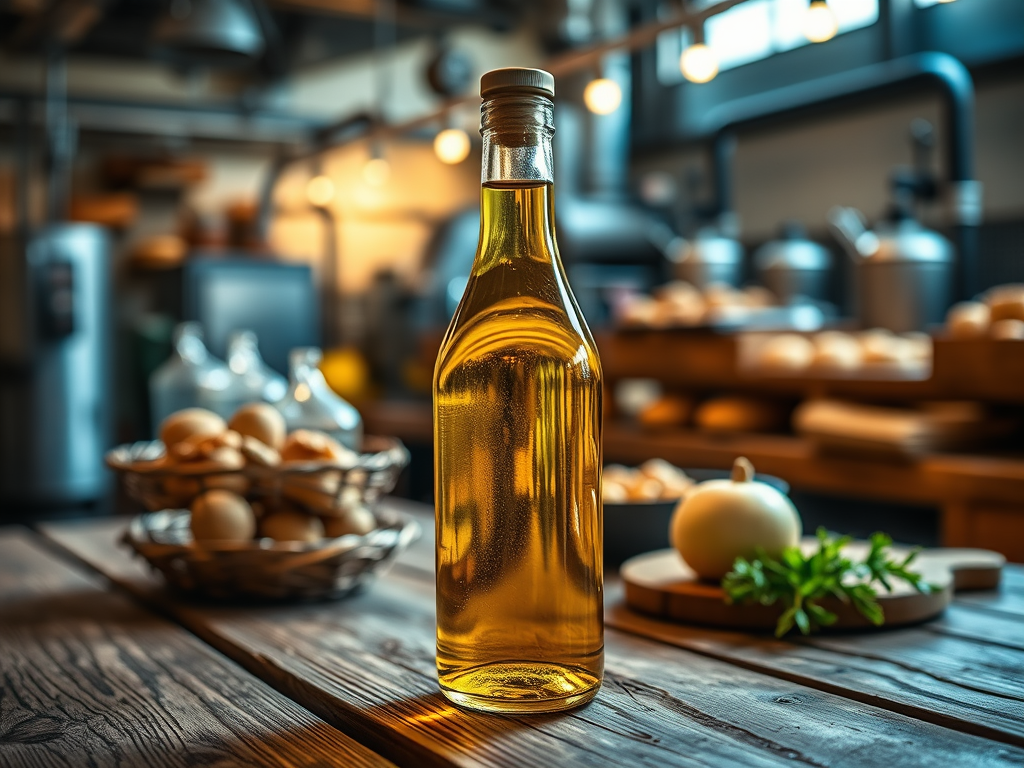
The Industrial Landscape of Vegetable Shortening in Egypt

The Egyptian food processing sector is one of the most dynamic industries in North Africa, driven by a growing population and a rich culinary tradition that leans heavily on baked goods, pastries, and confectionery. At the heart of this industry lies a critical ingredient: Vegetable Shortening.

As a versatile fat source, Vegetable Shortening plays an indispensable role in the texture, stability, and shelf-life of countless Egyptian food products, from the industrial production of biscuits to the artisanal crafting of oriental sweets.

Understanding the Product: What is Shortening?

In the context of the Egyptian market, Shortening refers to any fat that is solid at room temperature and used in baking to prevent the formation of gluten strands, effectively “shortening” the dough. While traditional fats like butter and ghee (samna) have historical roots, the modern industrial landscape is dominated by Vegetable Shortening.

This shift is driven by cost-efficiency, consistency, and dietary trends. Most shortening in Egypt is derived from refined vegetable oils—predominantly palm oil imported from Southeast Asia—which is then processed, textured, and crystallized by local manufacturers to suit the hot climate and specific bakery requirements.

The Manufacturing Sector

The domestic production capabilities in Egypt have expanded significantly. Vegetable Shortening Manufacturers in Egypt range from massive, multinational conglomerates to large-scale local refineries. These manufacturers import crude vegetable oils and refine them into specialized shortening products.
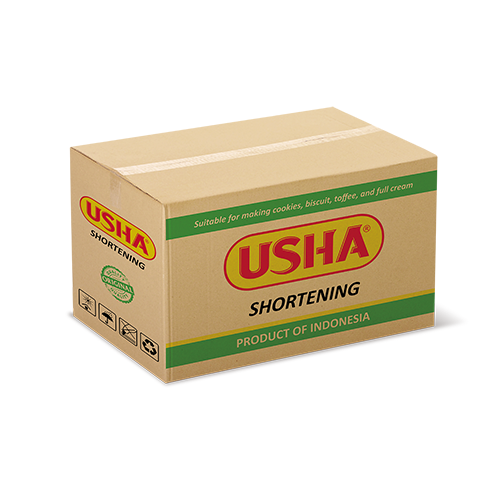
Vegetable Shortening

Key characteristics of Egyptian manufacturing include:

  • Climate Adaptation: Manufacturers formulate Shortening with higher melting points to withstand Egypt’s high ambient temperatures during transport and storage.
  • Customization: Factories often produce specific grades for different applications, such as high-ratio shortening for cakes or puff-pastry shortening (margarine) for croissants and danishes.
  • Volume Production: To meet national demand, Vegetable Shortening Manufacturers operate high-capacity hydrogenation and interesterification plants, ensuring a steady output for the baladi bread and patisserie sectors.

The Distribution Network: Wholesale and Supply

The flow of product from factory to end-user is managed by a complex network of Vegetable Shortening Suppliers. This network ensures that both the massive industrial bakeries in Cairo and small confectionery shops in the Delta have access to the fats they need.

  1. The Role of Wholesalers

Vegetable Shortening Wholesale is the backbone of the trade. Wholesalers purchase in bulk—often in 20kg or 25kg cartons—directly from refineries. They act as the primary buffer against price volatility, storing large inventories to stabilize supply during peak seasons like Ramadan and Eid, when the consumption of pastries and kahk spikes.

  1. Distributors and Logistics

Vegetable Shortening Distributors are responsible for the logistics of moving the product. In a country with diverse geography like Egypt, distributors must manage fleets that can navigate urban congestion and reach remote governates. Efficient distributors ensure that the product serves the “Just-In-Time” needs of modern bakeries that cannot afford downtime.

  1. Local Dealers

At the retail and semi-wholesale level, Vegetable Shortening Dealers serve smaller businesses. These dealers often break bulk or sell smaller quantities to home-based businesses and boutique pastry shops. They are the primary contact point for the thousands of small bakeries that dot the Egyptian landscape.

Import and Export Dynamics

Egypt is not just a consumer; it is a strategic hub for trade. While the country imports raw oils, it has a growing sector of Vegetable Shortening Exporters.

  • Export Potential: Capitalizing on trade agreements like COMESA (Common Market for Eastern and Southern Africa) and GAFTA (Greater Arab Free Trade Area), Egyptian Vegetable Shortening Exporters ship finished fat products to neighboring African and Arab nations.
  • Regional Hub: The strategic location of Egypt allows it to serve as a processing center, importing raw materials, adding value through refining and packaging, and re-exporting high-quality Vegetable Shortening to markets where industrial processing capacity is lower.

Applications in the Egyptian Market

Vegetable Shortening for Biscuits

The demand for Vegetable Shortening is sustained by several key sectors:

  • Bakery: Used extensively in breads, buns, and toast to improve softness and volume.
  • Oriental Sweets: While ghee is traditional, many commercial producers of basbousa, konafa, and baklava use high-quality shortening blends to control costs while maintaining texture.
  • Confectionery: Used in fillings, creams, and icings where stability and aeration are required.
  • Industrial Frying: Specialized shortenings are used for frying due to their high smoke point and oxidative stability.

Conclusion

The market for Vegetable Shortening in Egypt is mature yet evolving. It is supported by a robust infrastructure of Vegetable Shortening Manufacturers who ensure quality production, and a widespread network of Vegetable Shortening Suppliers, Vegetable Shortening Distributors, and Vegetable Shortening Dealers who ensure the product reaches every corner of the market. As the food industry continues to modernize, the role of these fats in delivering affordable, high-quality food products remains more vital than ever.
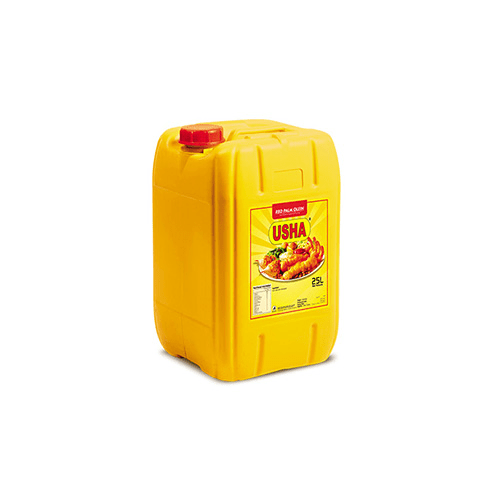
How to Choose the Right Palm Olein: CP6, CP8, or CP10?

If you’ve ever browsed the label on a bottle of cooking oil and come across names like CP10, CP8, or CP6, you’re not alone in wondering what they actually mean. These codes represent different grades of RBD Palm Olein, and choosing the right one can make a big difference depending on where and how you plan to use it.

Whether you’re frying in a busy restaurant, packaging oil for retail, or exporting to colder regions, understanding these variants can save you from oil that clouds, thickens, or underperforms. Let’s dive deep into the world of RBD Palm Olein, demystify the differences between CP6, CP8, and CP10, and help you decide which one fits your needs best.

What Exactly Is Palm Olein?

Palm olein is not just palm oil. It’s a refined product derived from RBD Palm Oil – which stands for Refined, Bleached, and Deodorized. To get palm olein, manufacturers take RBD Palm Oil and cool it under carefully controlled temperatures. This cooling process is called fractionation, where the oil naturally separates into a solid fat component (palm stearin) and a clear liquid component (palm olein).

This clear liquid is what we use in bottles, fryers, snack factories, and home kitchens. It’s known for:

  • Withstanding high frying temperatures
  • Having no strong smell or taste
  • Leaving fried foods crisp, dry, and golden
  • Remaining stable and clear when stored properly

Not all palm oleins are created equal. Depending on how much they’re fractionated, we get different versions: CP10, CP8, and CP6—each with unique qualities suited for specific conditions.

RBD Palm Olein CP10: The All-Purpose Powerhouse

Let’s start with RBD Palm Olein CP10, the most widely used grade of RBD Palm Olein. With an iodine value between 54 and 56, it offers a well-balanced fat composition. This makes it excellent for high-heat applications, especially in tropical and warmer climates.

So, what does CP10 do best? It’s your everyday, go-to cooking oil. You’ll find it in households, fast-food chains, and restaurants where deep frying is a daily affair. It’s prized for its ability to perform under intense temperatures without breaking down, turning cloudy, or leaving any lingering flavors.

One of its biggest advantages is that it doesn’t interfere with the natural taste of food. Whether you’re frying chicken, samosas, or French fries, CP10 ensures that the food tastes like it should—clean, delicious, and free from any greasy aftertaste.

Leading edible oil producers like USHA Edible Oil International, known for their high-quality refining standards, offer CP10 as a flagship product for chefs and foodservice providers worldwide.

RBD Palm Olein CP8: A Step Up in Fluidity

Moving up the ladder, we have RBD Palm Olein CP8—a slightly more refined and fluid version of palm olein. With an iodine value between 56 and 58, CP8 contains a higher percentage of unsaturated fats, which gives it a more liquid-like consistency compared to CP10.

This slight tweak in composition makes CP8 an ideal choice for those who need an oil that looks cleaner and flows better at room temperature. It’s especially popular for retail packaging, where appearance matters. If you’re bottling oil for consumer use, you want it to remain crystal clear and easy to pour.

Just like CP10, CP8 also performs wonderfully when it comes to frying. It can take the heat, maintain its quality, and deliver crisp results. But it shines brightest in moderate climates where temperature changes could affect oil consistency.

When global suppliers like USHA Edible Oil produce CP8, it’s crafted to meet international food safety standards and deliver exceptional frying quality along with a clean, retail-ready finish.

RBD Super Palm Olein CP6: Built for the Cold

Now, let’s talk about RBD Super Palm Olein CP6, also known as Super Palm Olein. This is the most refined and fluid grade among the three, with an iodine value of 60 to 63. That means it contains more unsaturated fats and has the lowest cloud point.

Why does that matter? Because CP6 is specially designed for cooler climates. Oils like CP10 and CP8 tend to get cloudy or semi-solid when stored in cold places like refrigerated trucks, warehouses, or grocery store shelves in temperate regions. CP6 doesn’t.

It stays clear and pourable even in temperatures as low as 2°C to 5°C. That makes it a smart choice for exporters, retailers, and food brands operating in Europe, North America, or Northern Asia.

Despite being more fluid, CP6 doesn’t compromise on cooking quality. It offers the same great performance as CP8 and CP10—stable under heat, neutral in flavor, and perfect for deep frying or sautéing. Many global manufacturers, including USHA Edible Oil, rely on CP6 for export-ready oil solutions that won’t disappoint in colder climates.

So, Which One Should You Choose?

Here’s the easy breakdown:

  • Choose CP10 if you’re in a warm region and need a solid, cost-effective oil for deep frying and general cooking. It’s the workhorse of the palm olein world.
  • Go with CP8 if you want a more refined look and feel in moderate climates. It’s great for consumer-packaged oil that needs to stay clear and pourable at room temperature.
  • Opt for CP6 if you’re dealing with cold temperatures or refrigeration. Whether you’re exporting to chilly countries or displaying oil in refrigerated settings, CP6 ensures the oil stays visually perfect and fluid.

All three options—CP10, CP8, and CP6—are available from premium suppliers like USHA Edible Oil International, who ensure that every product meets stringent quality and packaging standards for global markets.

Conclusion: Pick with Purpose

Choosing between CP6, CP8, and CP10 isn’t about which oil is better overall—it’s about which one is better for your specific situation. Whether it’s about the climate, the product’s destination, or your consumer preferences, the right palm olein makes all the difference.

When in doubt, match your choice to your environment and application. Warm and high-traffic kitchen? Go with CP10. Retail packaging with a need for clarity? CP8’s your buddy. Exporting to cold weather or refrigerating your product? CP6 will save the day.

As a trusted RBD Palm Oil Manufacturer and RBD Palm Oil Supplier, we ensure that each grade—CP6, CP8, or CP10—meets the highest standards for performance and consistency.

At the end of the day, palm olein oil is a reliable performer in any kitchen or factory line. But when you get specific about your needs, choosing the right variant turns a good oil into the perfect one.

USHA Edible Oil’s Product Portfolio: Oils and Fats That Power Kitchens and Industries

When you think of edible oils and fats, chances are you imagine something basic—something that quietly performs behind the scenes in your frying pan or your favorite baked treat. But there’s a lot more to these culinary building blocks than meets the eye. In the world of food production and cooking excellence, the oils you use determine flavor, texture, shelf life, and even the health profile of the final dish. That’s where USHA Edible Oil International Pte Ltd enters the picture.

Based in Singapore and exporting to over 50 countries, USHA doesn’t just sell oil—it engineers food-grade performance. With a product line that stretches from home-use cooking oils to high-performance specialty fats used in chocolates, margarine, pastries, and more, USHA is the quiet hero in kitchens, bakeries, and manufacturing plants worldwide.

Let’s explore their standout products that make them a global favorite.

RBD Palm Oil: The Foundation for Versatility

RBD stands for Refined, Bleached, and Deodorized—and it’s the essential process that removes impurities and odors from crude palm oil. RBD Palm Oil is semi-solid at room temperature and used as the base for multiple other USHA products.

Thanks to its clean profile and wide application, it’s a go-to for large-scale food producers who need consistent, high-volume oil that performs under heat without affecting flavor.

RBD Palm Olein CP10: Clean Frying, Crisp Results

This oil is one of USHA’s core products, and for good reason. RBD Palm Olein CP10 has an iodine value between 54 and 56, meaning it remains relatively stable even when used for deep frying. It’s ideal for home kitchens, commercial restaurants, and street food vendors who need oil that:

  • Doesn’t leave a greasy residue on fried foods
  • Has no lingering taste or smell
  • Performs beautifully across multiple frying cycles

It’s also widely packed and sold as a consumer-grade liquid cooking oil, making it equally popular in homes around the world.

RBD Palm Olein CP8: Smoother, More Pourable

If CP10 is the workhorse, RBD Palm Olein CP8 is the refined version for slightly cooler environments or where a thinner consistency is desired. With an iodine value between 56 and 58, this oil:

  • Has a clearer appearance
  • Offers enhanced fluidity
  • Maintains oxidation resistance at high cooking temperatures

It’s often found in clear bottles on supermarket shelves and used in pre-packaged salad dressings, marinades, and blended oil products.

Super Palm Olein CP6: Designed for Cold Climates

The more refined cousin of CP8, Super Palm Olein CP6 is perfect for places where temperature drops below 10°C. With an iodine value of 60 to 63, it stays liquid and crystal-clear even in refrigerated environments, thanks to its low cloud point (2–5°C).

This product is especially valuable in Europe, Northern Asia, and North America, where oils with high solid content tend to cloud or thicken. Super Palm Olein solves that, while still offering:

  • High heat stability
  • Neutral taste and aroma
  • Longer frying life

RBD Coconut Oil: A Neutral, Clean Performer

USHA’s RBD Coconut Oil is a refined version made from premium coconuts that have been bleached and deodorized for purity. This gives it:

  • A neutral taste, unlike virgin coconut oil
  • High shelf stability
  • Solid consistency at room temperature

It’s used in cooking, baking, and even cosmetics. Whether you’re whipping up granola bars or body butter, this oil keeps things smooth and non-greasy.

Cocoa Butter Alternatives: Chocolate’s Best Companion

USHA is a key supplier of cocoa butter alternatives, essential for confectionery industries that want to reduce cost while maintaining chocolate’s desired snap and mouthfeel.

Cocoa Butter Substitute (CBS-H & CBS-M)

These fats are derived from hydrogenated palm kernel oil and offer:

  • Sharp melting points for excellent texture
  • High gloss and bloom resistance
  • No need for tempering

Cocoa Butter Substitute CBS-H is typically used in molded chocolate, while cocoa butter substitute CBS-M is better suited for spreads and coatings.

Cocoa Butter Replacer (CBR-100M)

This fat is non-lauric, bland in taste, and perfect for compound chocolate applications. Cocoa Butter Replacer has:

  • Excellent heat tolerance
  • Smooth texture
  • No risk of “soapy” flavor due to its C16 and C18 fatty acid content

CBR-100M works beautifully for bars, enrobing, and fillings.

Cocoa Butter Equivalent (CBE)

This is the premium option, mimicking the physical and chemical characteristics of real cocoa butter. CBE can be used to replace cocoa butter in any ratio and gives:

  • Perfect crystallization
  • High gloss and snap
  • Outstanding shelf life and heat stability

Cocoa Butter Equivalent is the preferred choice for premium chocolate products.

Cream SP19: Stability for Fillings and Spreads

Filling/Spreading Fats Cream SP19 is a specialty fat blend designed for chocolate pastes, nut spreads, and soft fillings. It’s formulated to be:

  • Non-lactic, so it won’t spoil easily
  • Free of flavor, keeping the spotlight on other ingredients
  • Resistant to oil separation

Ideal for compound chocolate bars, pastries, and desserts that need a creamy but shelf-stable center.

Vegetable Shortening: The Baker’s Backbone

USHA’s vegetable shortening is made from fully refined and deodorized palm oil. It’s soft, pliable, and perfect for all baking needs. Features include:

  • Trans-fat free formulation
  • Excellent plasticity for doughs
  • High oxidative stability

It can be used in biscuits, cakes, pastries, and even frying. Bakers prefer it for the flaky texture it provides without altering the flavor of the finished product.

Vegetable Ghee: A Plant-Based Take on Tradition

Vegetable Ghee mimics the properties of traditional dairy ghee but is made entirely from plant-based oils. It has:

  • The rich aroma and grainy texture of animal ghee
  • A longer shelf life
  • No cholesterol or animal fat

Used widely in Indian, Middle Eastern, and African cuisines, it’s ideal for those seeking traditional flavor in a modern, vegetarian-friendly format.

Margarine: Smooth, Spreadable, and Smart

USHA’s margarine is crafted for both tabletop use and industrial bakery applications. It contains:

  • 80% fat content
  • Emulsifiers for consistency
  • Antioxidants and preservatives to enhance shelf life

It’s ideal for spreading on bread, laminating pastry dough, or enriching cookie and croissant recipes. Fortified with vitamin A and available in bulk or packaged form, this margarine offers excellent value for both households and bakeries.

Why Choose USHA Edible Oil?

With so many edible oil options on the market, why do so many global businesses choose USHA? Here’s why:

  1. Product Purity

Every batch is crafted using premium-grade raw materials and state-of-the-art refining processes. That means you get oils and fats that are clean, safe, and consistent.

  1. Performance-Driven Formulations

USHA’s oils are not just refined—they’re engineered to meet specific performance benchmarks. Whether it’s clarity at low temperatures or frying stability, each product is tailored for real-world use.

  1. Wide Range for Varied Applications

From cooking oils and ghee to cocoa butter equivalents and shortening, USHA covers all categories. You get everything you need under one brand—saving time, cost, and complexity.

  1. Global-Grade Certifications

All products comply with international standards like RSPO, MSPO, ISO, and Halal. This makes them suitable for export and regulatory clearance across continents.

  1. Sustainable and Ethical Sourcing

USHA sources from certified plantations in Malaysia and Indonesia. Their processes reduce environmental impact and support responsible palm oil production.

  1. Customized Packaging

From flexi-tanks for bulk exports to PET bottles for supermarkets, USHA offers customized, food-safe packaging for different market needs.

  1. Consistency and Reliability

With distribution in over 50 countries, USHA has a proven track record. Clients return not just for quality, but for dependable service and on-time delivery.

Conclusion

In the world of edible oils and specialty fats, USHA Edible Oil International stands as a powerhouse of quality, variety, and innovation. From the frying oils used in street food stalls to the delicate fats in fine chocolates, USHA’s product range caters to every culinary need. Their oils are engineered for performance, refined for purity, and backed by global certifications. Whether you’re an artisan baker, a candy manufacturer, or simply someone who appreciates clean, efficient cooking oils, USHA is the name that delivers every single time.

Usha Edible Oil – Manufacturer, Exporter & Supplier of Extensive Range of Food Products

Usha Edible oil is a well-known food product manufacturing company based in Singapore. Established as a bulk palm oil trader and dealer, the company has grown to be one of the leading palm oil manufacturers, refiners and exporters. The company offers an extensive range of high quality products including RBD Coconut Oil, RBD Palm Oil, Margarine Butter, Vegetable Shortening, Vegetable Ghee, Cocoa Butter Replacer, Cocoa Butter Equivalent, Cocoa Butter Substitute, Spreading Fats, Virgin Oil, Extra Virgin Oil, Soya Lecithin, Monoglycerides, Desiccated Coconut, Milk Powder, Cocoa Powder and Whey Milk Powder. In addition, the company is a leading producer and exporter of specialty fats and sweetened creamer.

Cocoa Butter Replacer, Cocoa Butter Substitute,  Cocoa Butter Equivalent

In the category of specialty fats products, the company offers products like Cocoa Butter Substitute, Cocoa Butter Replacer, Cocoa Butter Equivalent & Spreading Fats. As a trusted Cocoa Butter Substitute supplier, wholesaler and exporter, the company offers high quality Cocoa Butter Substitute used in a variety of food preparations. Usha Oil offers premium quality Cocoa Butter Replacer in wholesale which is a perfect replacement of cocoa butter. When it comes to Cocoa Butter Equivalent, the company is one of the most trusted Cocoa Butter Equivalent dealer and wholesaler. In addition, the company is a supplier and distributor of filling and spreading fats that are widely used in soft fillings, pastes and spreads.

Soya Lecithin Liquid, Cocoa Powder, Milk Powder, Whey Milk Powder

In the category of sweetened creamers, the company offers products like Soya Lecithin Liquid, Monoglycerides, Desiccated Coconut, Cocoa Powder, Full Cream Milk Powder and Whey Milk Powder. As a leading Soya Lecithin Liquid manufacturer and exporter, the company offers high quality Soya Lecithin Liquid, which is widely used in food, textile, paint, leather, pharmaceuticals, chemicals, cosmetics and many other industries. In this category, the company also produces Distilled Monoglycerides used in the preparation of the various food items such as bread, peanut butter, cake, ice cream, beverages and many more.

The company also offers high quality Desiccated Coconut throughout the year in wholesale which is made with pure and natural coconut. In addition, Usha Edible Oil is a leading Cocoa Powder producer, wholesaler and distributor offering the finest quality cocoa powder with low fat. In this product category, the company offers Full Cream Milk Powder. As a well known Full Cream Milk Powder bulk supplier and exporter, the company offers premium quality full cream milk powder, which is used in ice-cream, yoghurt, milk chocolate, cottage cheese and other bakery products. In addition, the company also offers Whey Milk Powder in this category. As a Whey Milk Powder manufacturer and distributor, Usha Edible Oil manufactures finest quality Whey Milk Powder from low fat milk. Hence, this product is most suitable for people on high protein and low calorie diets.

RBD Palm Oil, Vegetable Ghee, Olive Oil – An Overview of Usha Edible Oil Products Range

Usha Edible Oil International Pte, Ltd is a leading food product manufacturer, supplier and exporter based in Singapore. It is a well-known food trading company, with a team of experts having more than 30 years of experience in the industry. The company started its journey as a bulk palm oil trader and gradually evolved as one of the leading palm oil refiners and manufacturers. Today, the company has secured its place as one of the leading players in the edible oils and fats industry worldwide. With time, the company has achieved significant growth by offering a wide range of high quality products like RBD Coconut Oil, RBD Palm Oil, Margarine Butter, Vegetable Ghee, Vegetable Shortening, Cocoa Butter Replacer, Cocoa Butter Substitute, Cocoa Butter Equivalent, Spreading Fats, Virgin Oil, Extra Virgin Oil, Soya Lecithin, Desiccated Coconut, Monoglycerides, Cocoa Powder, Milk Powder and Whey Milk Powder.

Usha Edible Oil is committed to deliver high quality food products offering various health benefits. As a result of its rigorous quality control process, the company has achieved high quality standards successfully. As a result, the company has earned a reputation of a trusted vegetable oil producer and wholesaler offering premium quality Vegetable Cooking oil, Palm Oil, Palm Kernel Oil and Coconut Oil.

Usha Oil Products Range

The company is a reliable vegetable oil bulk supplier and dealer offering high quality vegetable oils such as RBD Palm Oil, RBD Coconut Oil, Vegetable Ghee, Margarine and Vegetable Shortening. Additionally, the company also produces high quality Virgin Olive Oil and Extra Virgin Olive Oil.

RDB Palm Oil and RDB Coconut Oil

Usha Edible Oil is a leading wholesaler, dealer and refiner of palm oil in Indonesia and Malaysia. The high quality RDB Palm Oil offered by the company is used in making various food products. The company is a leading bulk palm oil trader globally. In addition, the company is also a leading RDB Coconut Oil supplier and exporter offering premium quality RDB Coconut Oil made from bleached and refined coconut oil.

RDB Palm Oil and RDB Coconut Oil

Vegetable Ghee, Margarine and Vegetable Shortening

As a Vegetable Ghee manufacturer & exporter, Usha Edible Oil offers high quality vegetable ghee. The quality vegetable ghee offered by the company is used as a substitute for traditional ghee in many popular food dishes. Moreover, Margarine produced by the company is a preferred choice in preparation of the finest puff pastries. The company is also known as a vegetable shortening bulk supplier and wholesaler. The high quality vegetable shortening offered by the company is widely used in various baking applications.

Vegetable Ghee, Margarine and Vegetable Shortening

Virgin Olive Oil and Extra Virgin Olive Oil

Usha Edible Oil offers superior quality Virgin Olive Oil with a smooth flavour. As a reputed Virgin Oil producer and wholesaler, the company uses the finest olives to produce Virgin Olive Oil. In addition, the company also offers premium quality Extra Virgin Olive Oil used widely in various food dishes. As a leading Extra Virgin Olive Oil bulk supplier and exporter, the company has been successful in delivering the finest Extra Virgin Olive Oil in wholesale for a long time.

Virgin Olive Oil and Extra Virgin Olive Oil

Create your own website, free on WordPress.com.Create your own website.
Start free