
If you’ve ever browsed the label on a bottle of cooking oil and come across names like CP10, CP8, or CP6, you’re not alone in wondering what they actually mean. These codes represent different grades of RBD Palm Olein, and choosing the right one can make a big difference depending on where and how you plan to use it.
Whether you’re frying in a busy restaurant, packaging oil for retail, or exporting to colder regions, understanding these variants can save you from oil that clouds, thickens, or underperforms. Let’s dive deep into the world of RBD Palm Olein, demystify the differences between CP6, CP8, and CP10, and help you decide which one fits your needs best.
What Exactly Is Palm Olein?
Palm olein is not just palm oil. It’s a refined product derived from RBD Palm Oil – which stands for Refined, Bleached, and Deodorized. To get palm olein, manufacturers take RBD Palm Oil and cool it under carefully controlled temperatures. This cooling process is called fractionation, where the oil naturally separates into a solid fat component (palm stearin) and a clear liquid component (palm olein).
This clear liquid is what we use in bottles, fryers, snack factories, and home kitchens. It’s known for:
- Withstanding high frying temperatures
- Having no strong smell or taste
- Leaving fried foods crisp, dry, and golden
- Remaining stable and clear when stored properly
Not all palm oleins are created equal. Depending on how much they’re fractionated, we get different versions: CP10, CP8, and CP6—each with unique qualities suited for specific conditions.
RBD Palm Olein CP10: The All-Purpose Powerhouse
Let’s start with RBD Palm Olein CP10, the most widely used grade of RBD Palm Olein. With an iodine value between 54 and 56, it offers a well-balanced fat composition. This makes it excellent for high-heat applications, especially in tropical and warmer climates.
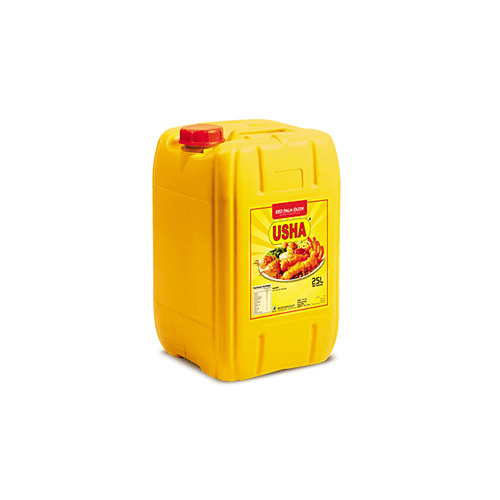
So, what does CP10 do best? It’s your everyday, go-to cooking oil. You’ll find it in households, fast-food chains, and restaurants where deep frying is a daily affair. It’s prized for its ability to perform under intense temperatures without breaking down, turning cloudy, or leaving any lingering flavors.
One of its biggest advantages is that it doesn’t interfere with the natural taste of food. Whether you’re frying chicken, samosas, or French fries, CP10 ensures that the food tastes like it should—clean, delicious, and free from any greasy aftertaste.
Leading edible oil producers like USHA Edible Oil International, known for their high-quality refining standards, offer CP10 as a flagship product for chefs and foodservice providers worldwide.
RBD Palm Olein CP8: A Step Up in Fluidity
Moving up the ladder, we have RBD Palm Olein CP8—a slightly more refined and fluid version of palm olein. With an iodine value between 56 and 58, CP8 contains a higher percentage of unsaturated fats, which gives it a more liquid-like consistency compared to CP10.
This slight tweak in composition makes CP8 an ideal choice for those who need an oil that looks cleaner and flows better at room temperature. It’s especially popular for retail packaging, where appearance matters. If you’re bottling oil for consumer use, you want it to remain crystal clear and easy to pour.
Just like CP10, CP8 also performs wonderfully when it comes to frying. It can take the heat, maintain its quality, and deliver crisp results. But it shines brightest in moderate climates where temperature changes could affect oil consistency.
When global suppliers like USHA Edible Oil produce CP8, it’s crafted to meet international food safety standards and deliver exceptional frying quality along with a clean, retail-ready finish.
RBD Super Palm Olein CP6: Built for the Cold
Now, let’s talk about RBD Super Palm Olein CP6, also known as Super Palm Olein. This is the most refined and fluid grade among the three, with an iodine value of 60 to 63. That means it contains more unsaturated fats and has the lowest cloud point.
Why does that matter? Because CP6 is specially designed for cooler climates. Oils like CP10 and CP8 tend to get cloudy or semi-solid when stored in cold places like refrigerated trucks, warehouses, or grocery store shelves in temperate regions. CP6 doesn’t.
It stays clear and pourable even in temperatures as low as 2°C to 5°C. That makes it a smart choice for exporters, retailers, and food brands operating in Europe, North America, or Northern Asia.
Despite being more fluid, CP6 doesn’t compromise on cooking quality. It offers the same great performance as CP8 and CP10—stable under heat, neutral in flavor, and perfect for deep frying or sautéing. Many global manufacturers, including USHA Edible Oil, rely on CP6 for export-ready oil solutions that won’t disappoint in colder climates.
So, Which One Should You Choose?
Here’s the easy breakdown:
- Choose CP10 if you’re in a warm region and need a solid, cost-effective oil for deep frying and general cooking. It’s the workhorse of the palm olein world.
- Go with CP8 if you want a more refined look and feel in moderate climates. It’s great for consumer-packaged oil that needs to stay clear and pourable at room temperature.
- Opt for CP6 if you’re dealing with cold temperatures or refrigeration. Whether you’re exporting to chilly countries or displaying oil in refrigerated settings, CP6 ensures the oil stays visually perfect and fluid.
All three options—CP10, CP8, and CP6—are available from premium suppliers like USHA Edible Oil International, who ensure that every product meets stringent quality and packaging standards for global markets.
Conclusion: Pick with Purpose
Choosing between CP6, CP8, and CP10 isn’t about which oil is better overall—it’s about which one is better for your specific situation. Whether it’s about the climate, the product’s destination, or your consumer preferences, the right palm olein makes all the difference.
When in doubt, match your choice to your environment and application. Warm and high-traffic kitchen? Go with CP10. Retail packaging with a need for clarity? CP8’s your buddy. Exporting to cold weather or refrigerating your product? CP6 will save the day.
As a trusted RBD Palm Oil Manufacturer and RBD Palm Oil Supplier, we ensure that each grade—CP6, CP8, or CP10—meets the highest standards for performance and consistency.
At the end of the day, palm olein oil is a reliable performer in any kitchen or factory line. But when you get specific about your needs, choosing the right variant turns a good oil into the perfect one.
 Usha Edible Oil Manufacturer