

The Egyptian food processing sector is one of the most dynamic industries in North Africa, driven by a growing population and a rich culinary tradition that leans heavily on baked goods, pastries, and confectionery. At the heart of this industry lies a critical ingredient: Vegetable Shortening.
As a versatile fat source, Vegetable Shortening plays an indispensable role in the texture, stability, and shelf-life of countless Egyptian food products, from the industrial production of biscuits to the artisanal crafting of oriental sweets.
Understanding the Product: What is Shortening?
In the context of the Egyptian market, Shortening refers to any fat that is solid at room temperature and used in baking to prevent the formation of gluten strands, effectively “shortening” the dough. While traditional fats like butter and ghee (samna) have historical roots, the modern industrial landscape is dominated by Vegetable Shortening.
This shift is driven by cost-efficiency, consistency, and dietary trends. Most shortening in Egypt is derived from refined vegetable oils—predominantly palm oil imported from Southeast Asia—which is then processed, textured, and crystallized by local manufacturers to suit the hot climate and specific bakery requirements.
The Manufacturing Sector
The domestic production capabilities in Egypt have expanded significantly. Vegetable Shortening Manufacturers in Egypt range from massive, multinational conglomerates to large-scale local refineries. These manufacturers import crude vegetable oils and refine them into specialized shortening products.
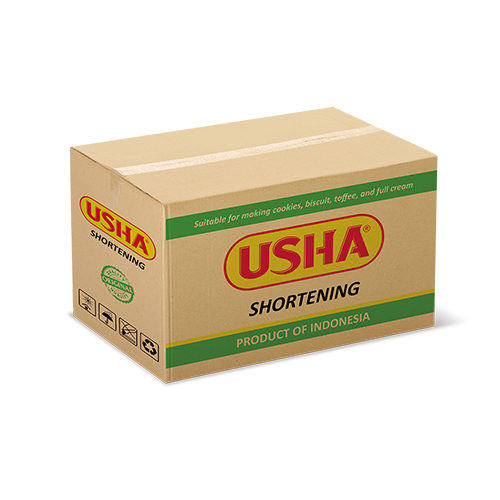
Key characteristics of Egyptian manufacturing include:
- Climate Adaptation: Manufacturers formulate Shortening with higher melting points to withstand Egypt’s high ambient temperatures during transport and storage.
- Customization: Factories often produce specific grades for different applications, such as high-ratio shortening for cakes or puff-pastry shortening (margarine) for croissants and danishes.
- Volume Production: To meet national demand, Vegetable Shortening Manufacturers operate high-capacity hydrogenation and interesterification plants, ensuring a steady output for the baladi bread and patisserie sectors.
The Distribution Network: Wholesale and Supply
The flow of product from factory to end-user is managed by a complex network of Vegetable Shortening Suppliers. This network ensures that both the massive industrial bakeries in Cairo and small confectionery shops in the Delta have access to the fats they need.
- The Role of Wholesalers
Vegetable Shortening Wholesale is the backbone of the trade. Wholesalers purchase in bulk—often in 20kg or 25kg cartons—directly from refineries. They act as the primary buffer against price volatility, storing large inventories to stabilize supply during peak seasons like Ramadan and Eid, when the consumption of pastries and kahk spikes.
- Distributors and Logistics
Vegetable Shortening Distributors are responsible for the logistics of moving the product. In a country with diverse geography like Egypt, distributors must manage fleets that can navigate urban congestion and reach remote governates. Efficient distributors ensure that the product serves the “Just-In-Time” needs of modern bakeries that cannot afford downtime.
- Local Dealers
At the retail and semi-wholesale level, Vegetable Shortening Dealers serve smaller businesses. These dealers often break bulk or sell smaller quantities to home-based businesses and boutique pastry shops. They are the primary contact point for the thousands of small bakeries that dot the Egyptian landscape.
Import and Export Dynamics
Egypt is not just a consumer; it is a strategic hub for trade. While the country imports raw oils, it has a growing sector of Vegetable Shortening Exporters.
- Export Potential: Capitalizing on trade agreements like COMESA (Common Market for Eastern and Southern Africa) and GAFTA (Greater Arab Free Trade Area), Egyptian Vegetable Shortening Exporters ship finished fat products to neighboring African and Arab nations.
- Regional Hub: The strategic location of Egypt allows it to serve as a processing center, importing raw materials, adding value through refining and packaging, and re-exporting high-quality Vegetable Shortening to markets where industrial processing capacity is lower.
Applications in the Egyptian Market

The demand for Vegetable Shortening is sustained by several key sectors:
- Bakery: Used extensively in breads, buns, and toast to improve softness and volume.
- Oriental Sweets: While ghee is traditional, many commercial producers of basbousa, konafa, and baklava use high-quality shortening blends to control costs while maintaining texture.
- Confectionery: Used in fillings, creams, and icings where stability and aeration are required.
- Industrial Frying: Specialized shortenings are used for frying due to their high smoke point and oxidative stability.
Conclusion
The market for Vegetable Shortening in Egypt is mature yet evolving. It is supported by a robust infrastructure of Vegetable Shortening Manufacturers who ensure quality production, and a widespread network of Vegetable Shortening Suppliers, Vegetable Shortening Distributors, and Vegetable Shortening Dealers who ensure the product reaches every corner of the market. As the food industry continues to modernize, the role of these fats in delivering affordable, high-quality food products remains more vital than ever.
 Usha Edible Oil Manufacturer